

The Power of Honesty
Honesty can be uncomfortable, especially when trust has already been broken. But in recovery from porn or sex addiction, choosing truth—even when it’s difficult—can become one of the most powerful ways to rebuild safety, intimacy, and connection in your relationship.
When She Keeps Asking the Same Questions…
After betrayal, it can be frustrating when your wife continues to ask the same questions about what happened. But her questions may be less about punishing you and more about trying to make sense of something that shattered her understanding of your relationship. Learn how patience, honesty, and working with a trained therapist can help you navigate disclosure and begin rebuilding trust.
Full Disclosure in Sexual Addiction Recovery: Why Honesty Is Essential for Healing After Betrayal
When trust has been broken by sexual addiction or compulsive sexual behaviors, healing requires more than stopping the behavior—it requires honesty. Learn why a thoughtfully prepared full disclosure can help restore reality, rebuild integrity, and create a foundation for genuine recovery after betrayal.
What Couples Need to Know About the Recovery Journey
When infidelity or pornography addiction is discovered, many couples wonder if healing is even possible. While trust is not rebuilt overnight, real change often happens long before it feels real. Learn what to expect during the recovery journey, why patience matters, and how couples can move from betrayal and broken trust toward healing, forgiveness, and renewed connection.
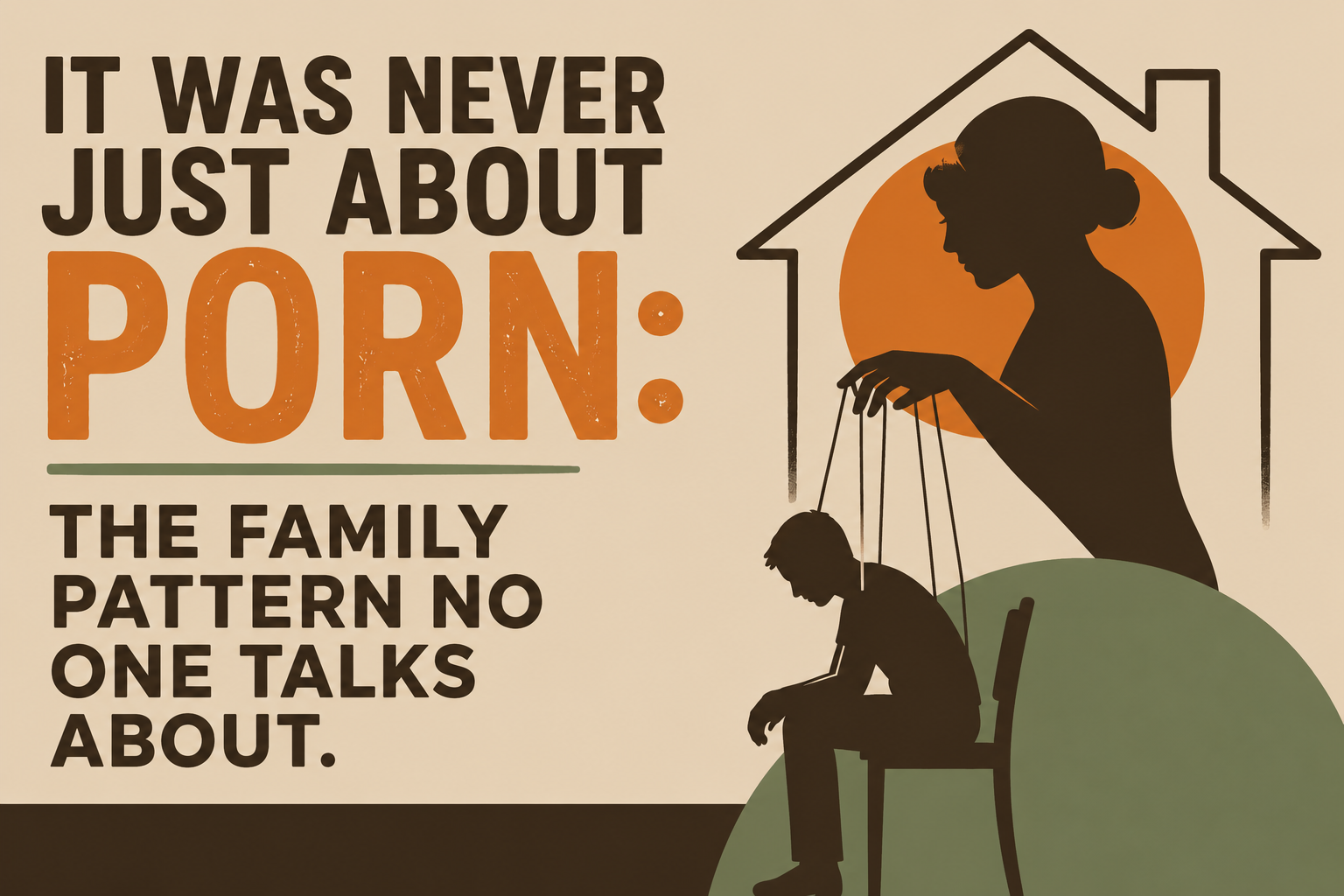
It Was Never Just About Porn: The Family Pattern No One Talks About
What often gets labeled as a “porn issue” is frequently rooted in enmeshment within the family system—where emotional boundaries were blurred, and a person learned to manage anxiety, responsibility, or belonging through unhealthy coping strategies. In these environments, sexuality and secrecy can become substitutes for autonomy and emotional regulation. Lasting change requires understanding how enmeshment shaped the nervous system long before the behavior ever showed up.
Why Men Need to Understand Betrayal Trauma
Many men struggling with porn and sex addiction focus on stopping the behavior—but often overlook the deep relational impact betrayal has on their partner. In this blog, we explore betrayal trauma, why partners often feel emotionally unsafe after discovery, and how understanding their pain is one of the most important steps toward rebuilding trust and restoring the relationship.
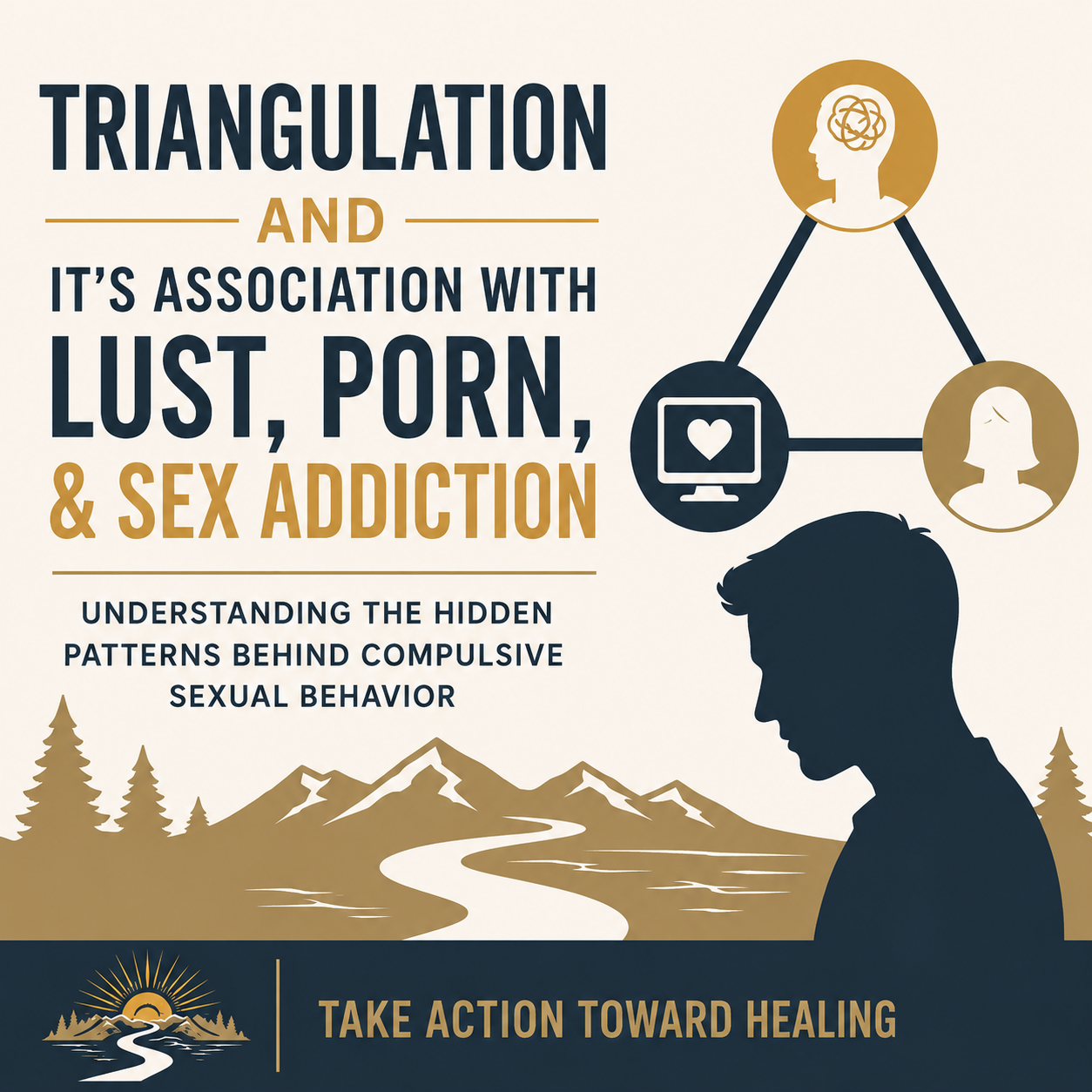
How Triangulation Fuels Porn Addiction, Lust, and Sexual Compulsivity
Porn addiction and compulsive sexual behavior are often rooted in deeper relational patterns—not just lust or lack of discipline. In this blog, we explore how triangulation fuels emotional avoidance, shame, and disconnection, keeping many men trapped in cycles of porn, fantasy, and compulsive behavior. Understanding the emotional system beneath the behavior is often the first step toward lasting healing and freedom.
Porn and Sex Addiction Can Be Passed Down: Breaking Generational Cycles in Men
Porn and sex addiction often begin deeper than temptation alone—many men unknowingly inherit patterns of emotional avoidance, shame, and secrecy from the families that shaped them. This article explores how generational wounds contribute to compulsive sexual behavior and what it takes to break the cycle so you can leave a legacy of healing instead of hidden pain.
“Your Brain Isn’t Broken—It’s Been Trained”
Sexual addiction isn’t just about behavior—it’s about how the brain learns to cope, escape, and survive. This post breaks down how addictive cycles hijack your neuropathways and, more importantly, how real healing rewires them. If you’ve ever felt stuck in patterns you don’t understand, this will help you see why—and show you a way out.
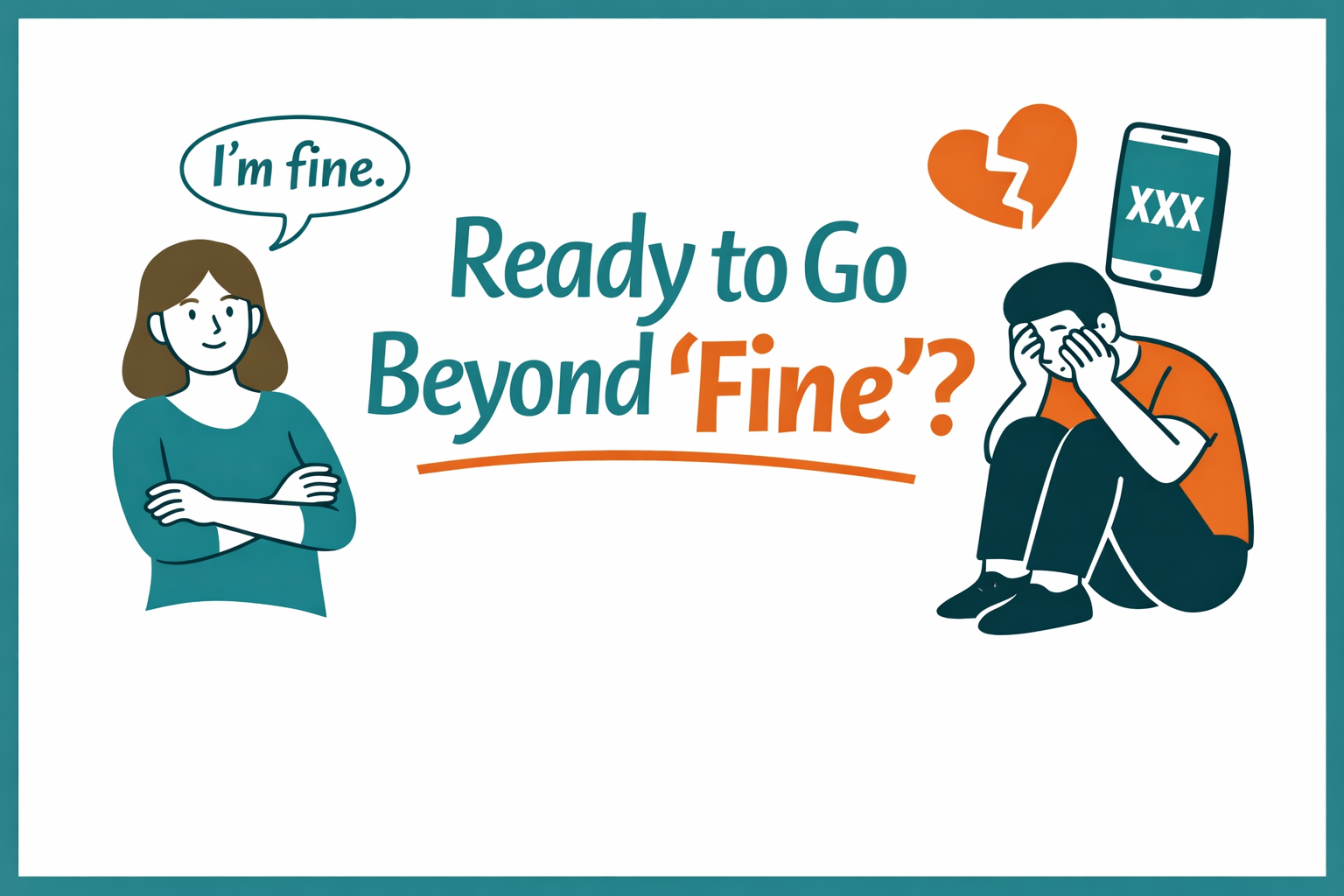
Are You Ready to Go Beyond “I’m Fine”?
Many of us have mastered the art of saying “I’m fine”—even when life feels about as stable as a folding chair at a family reunion. In this post, we explore how suppressing emotions can keep us stuck, especially for those navigating sexual addiction recovery and betrayal trauma. Sometimes healing begins with admitting that “fine” might actually mean overwhelmed, anxious, or just plain tired of pretending.
Faith in the Darkness: The Path Back to the Light
Many men trapped in pornography, affairs, or compulsive sexual behavior believe they must overcome it through willpower alone. But lasting change often requires something deeper—hope, identity, and purpose. This article explores how integrating Christian faith with professional counseling can help men in Minnesota break cycles of shame, rebuild integrity, and pursue lasting recovery.
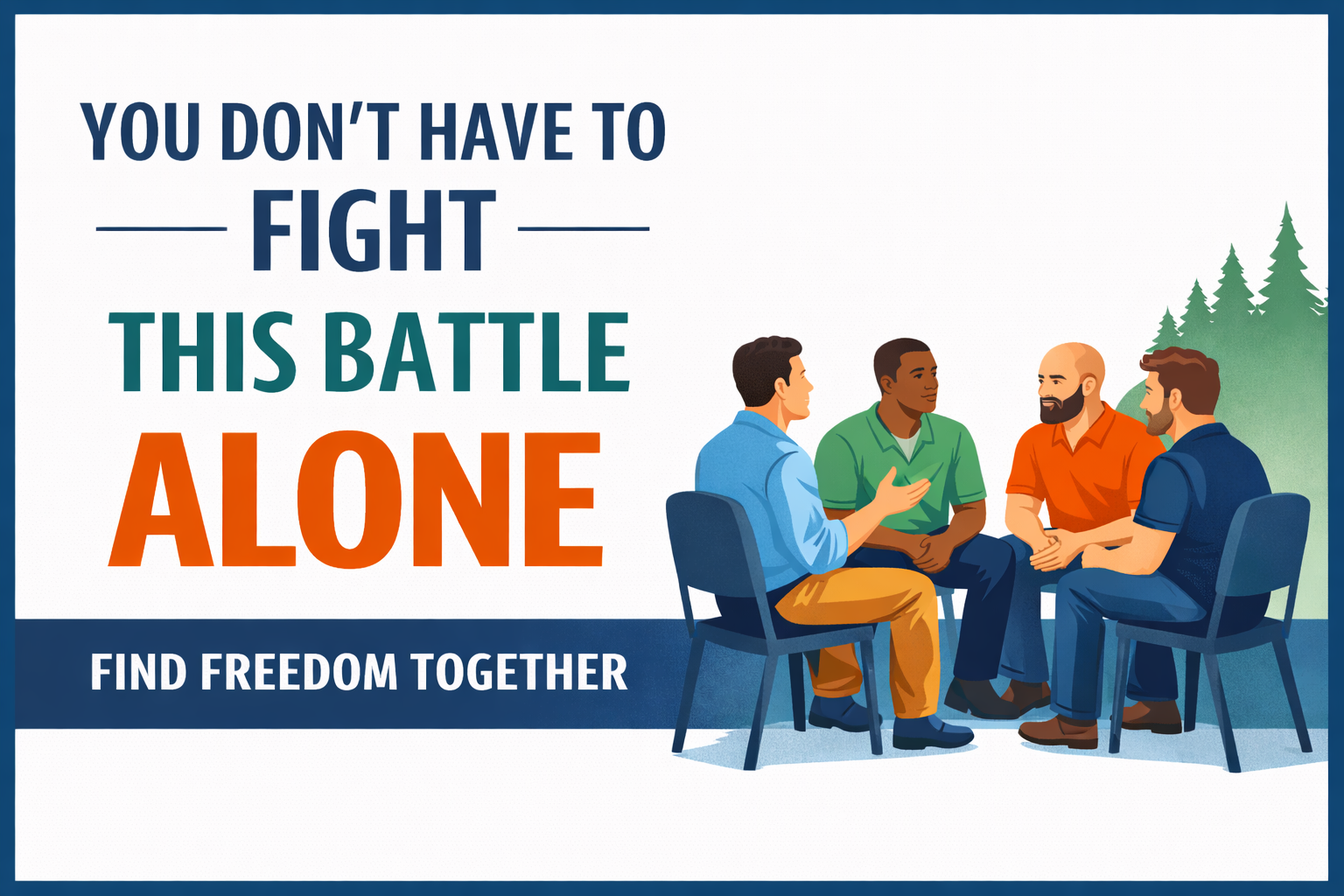
Support Groups Matter: Why we need others to heal
Many men struggling with pornography, affairs, or compulsive sexual behavior believe they must fight the battle alone—but isolation is exactly what keeps addiction alive. Real recovery often begins when men step out of secrecy and into honest connection with others pursuing healing and accountability. Support groups create the kind of community where shame loses its power and lasting freedom becomes possible.
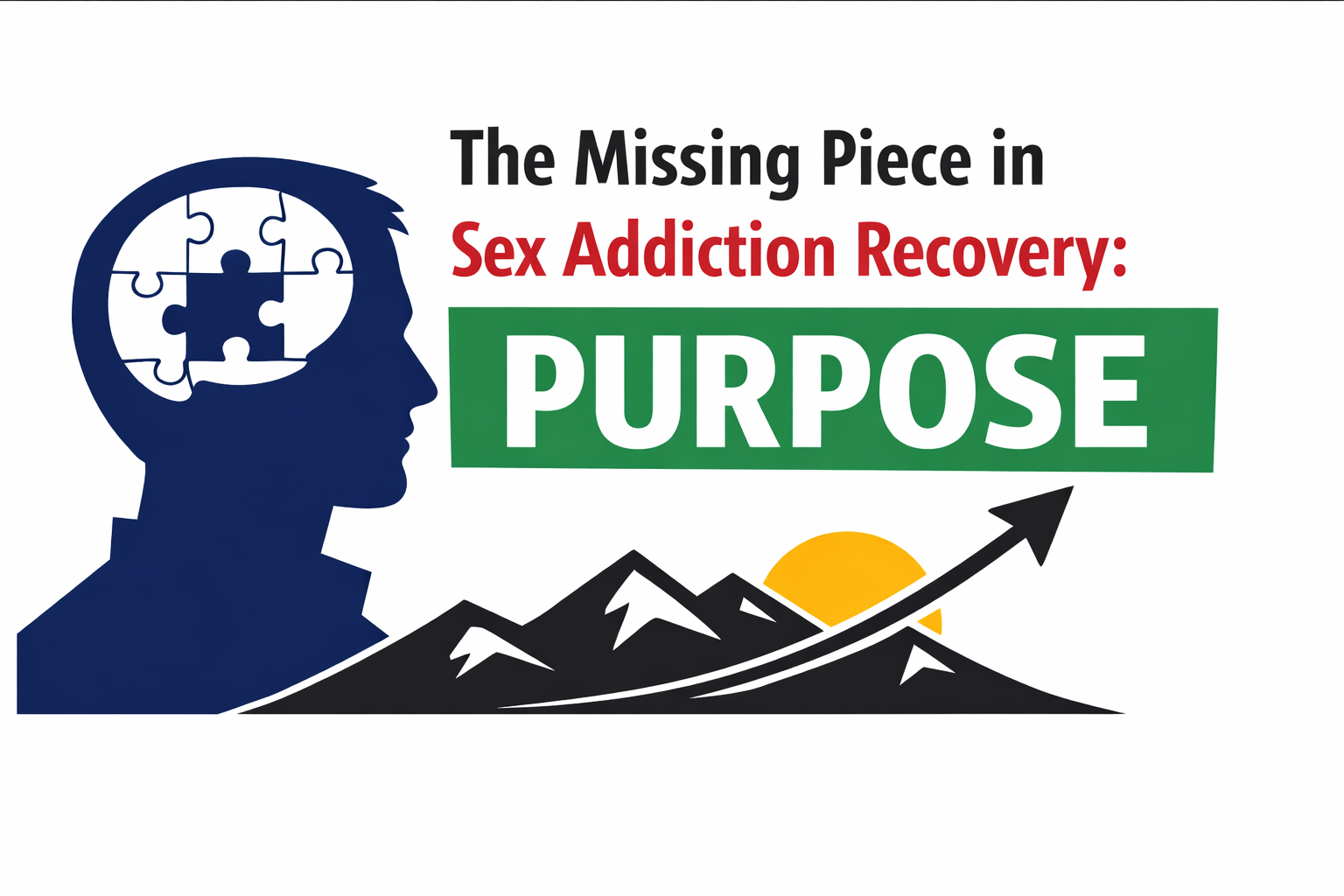
The Missing Piece in Sex Addiction Recovery: Purpose
Many men trying to overcome pornography or sex addiction focus only on stopping the behavior—but lasting recovery requires something deeper. True transformation begins when a man develops a clear vision for the kind of life and character he wants to build. Purpose gives recovery direction, helping men move beyond shame and toward a life defined by integrity, values, and meaning.
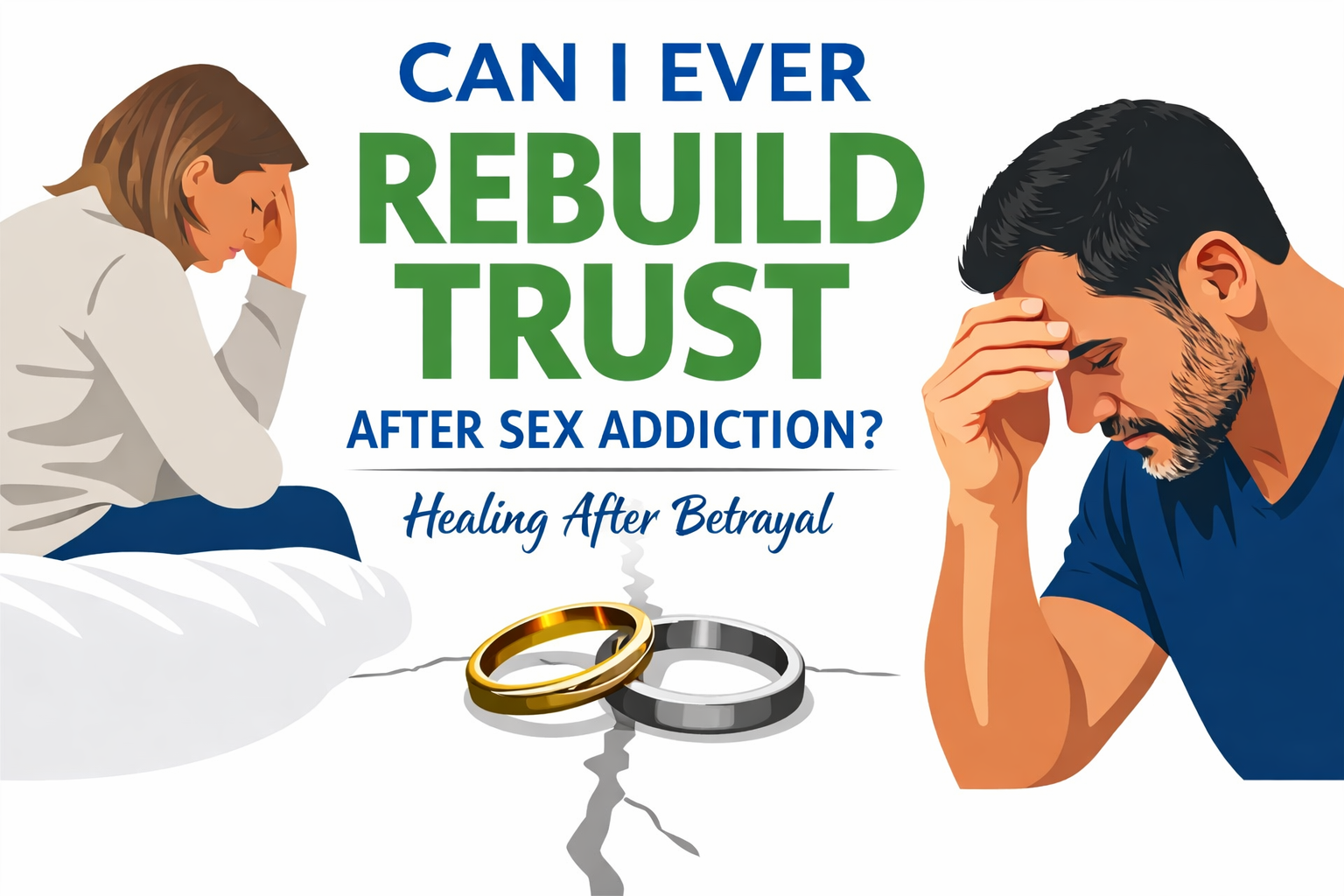
“Can I Ever Rebuild Trust After Sex Addiction?”
If your wife has discovered your sexual addiction, you may be wondering if trust can ever truly be rebuilt. Her anger, withdrawal, or constant questions aren’t random — they’re signs of betrayal trauma. Real recovery isn’t just about stopping behaviors; it’s about learning how to lead with ownership, consistency, and integrity so healing can begin.
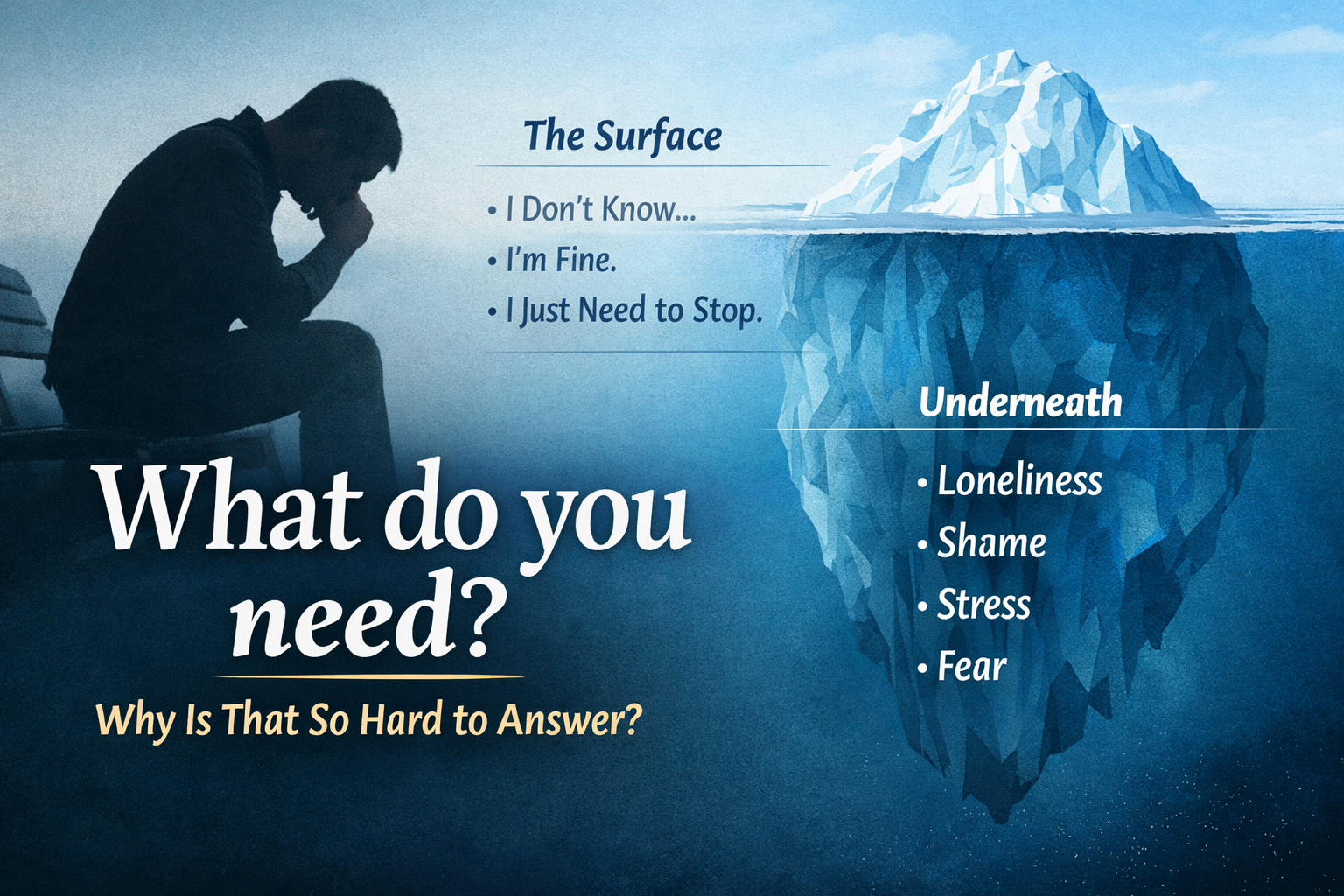
“What Do You Think You Need?”
Many men struggling with sexual addiction don’t lack willpower — they lack clarity about what they truly need. Beneath “I don’t know” is often loneliness, shame, exhaustion, or a longing for connection that has never been named. Lasting recovery begins not with stopping behavior, but with learning how to understand and express the needs driving it.
When Feeling “Not Enough” hurts your marriage
Many men in recovery are surprised to find that as they work on their sexual addiction, frustration in their marriage actually increases. Beneath that frustration is often a deeper fear: “I’m not enough.” This post explores why that feeling shows up, how it impacts your wife, and what real healing can look like.
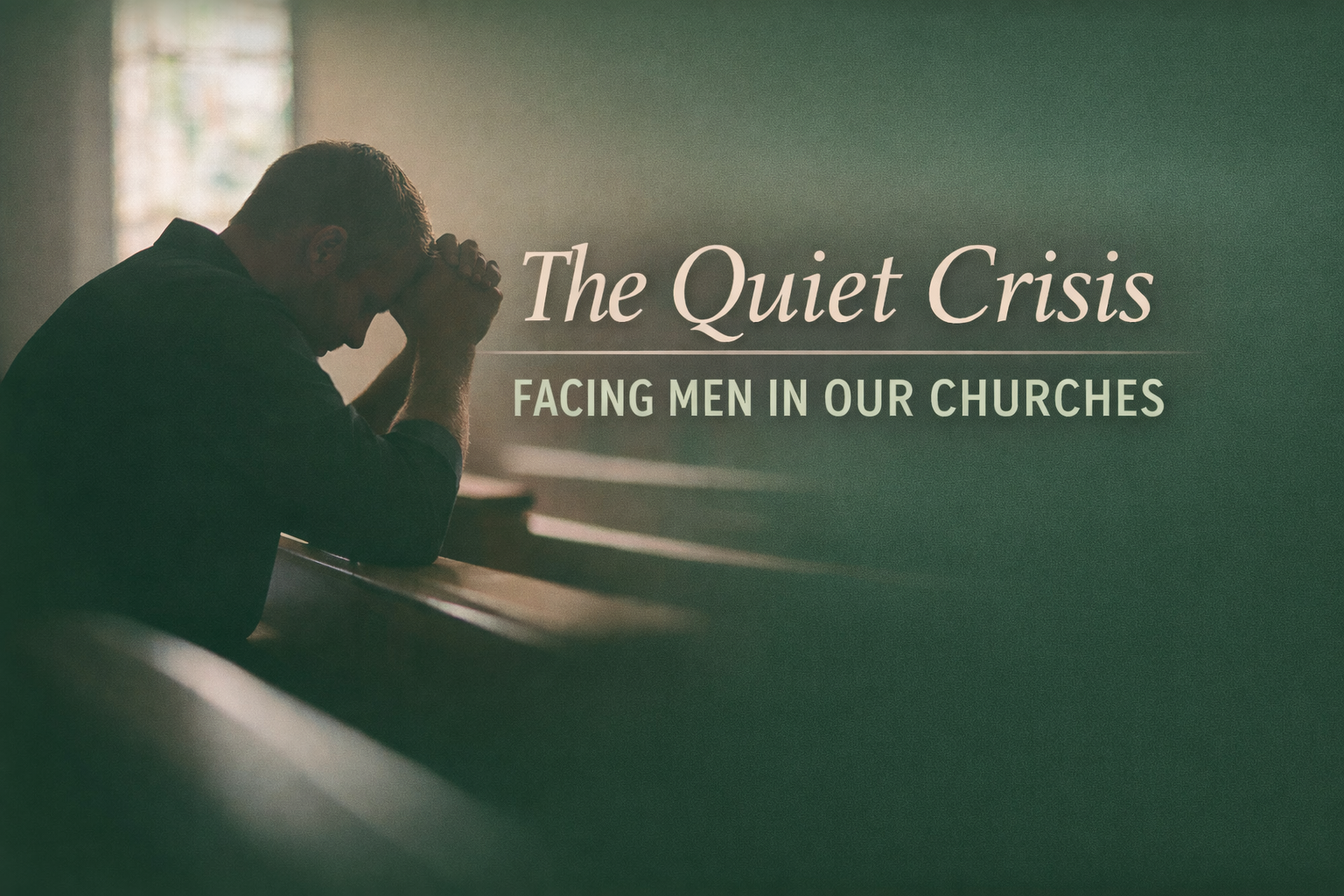
The Quiet Crisis Facing Men in Our Churches
Many men in our churches silently struggle with sexual behaviors they feel unable to control, carrying deep shame and fear. Recent research shows that these struggles are widespread, even among pastors and spiritually engaged men, highlighting the need for trauma-informed support. This blog explores how ministry leaders can recognize, understand, and guide men toward real healing and hope.
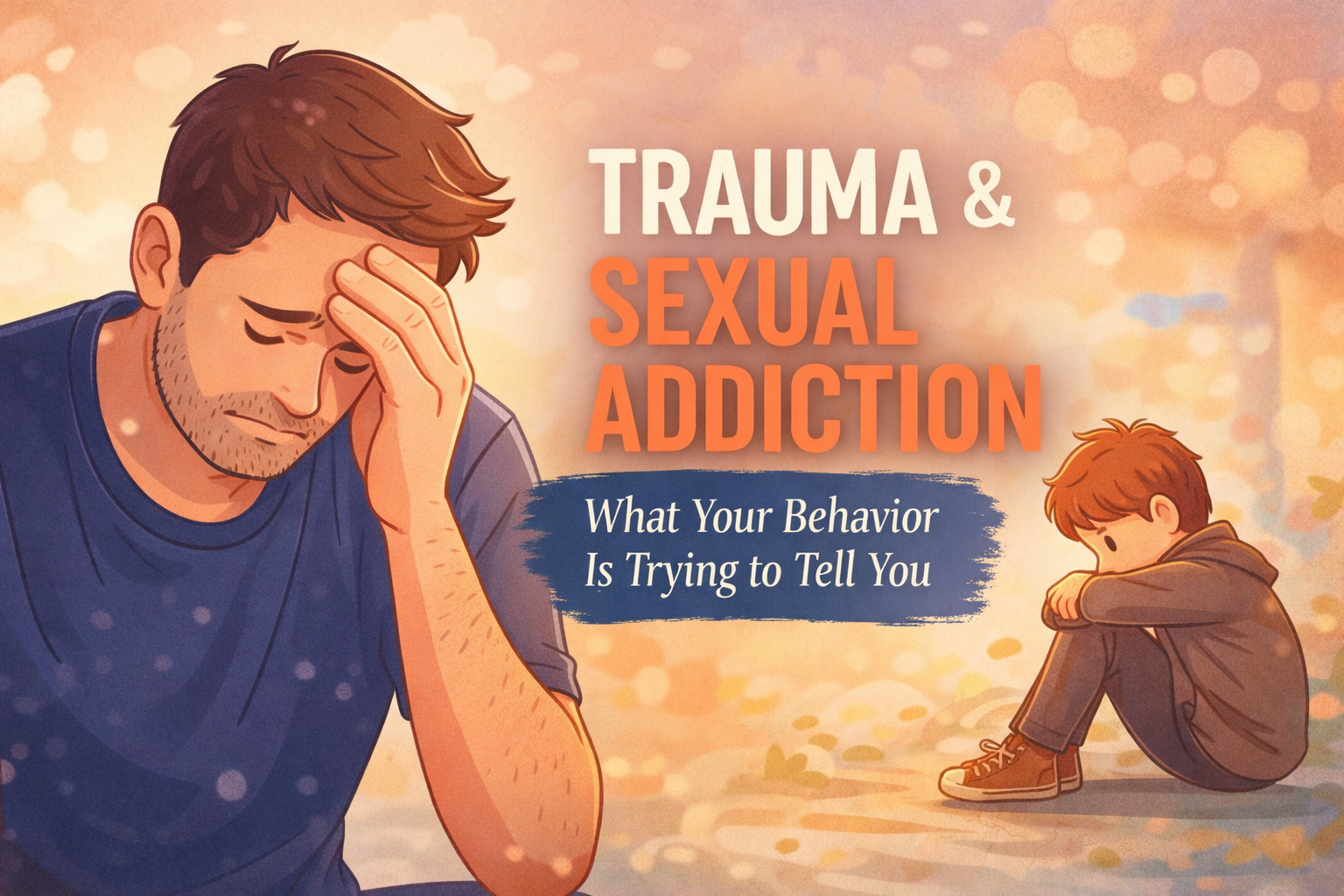
Trauma and Sexual Addiction: What Your Behavior Is Trying to Tell You
Struggling with unwanted sexual behaviors can feel isolating and shameful. But for many, these behaviors are not the root problem—they’re often a response to trauma. Understanding the connection between trauma and compulsive sexual behavior can be the first step toward healing. In this post, we explore why your patterns may have started as a coping mechanism and how trauma-informed therapy can help you break the cycle and reclaim your life.
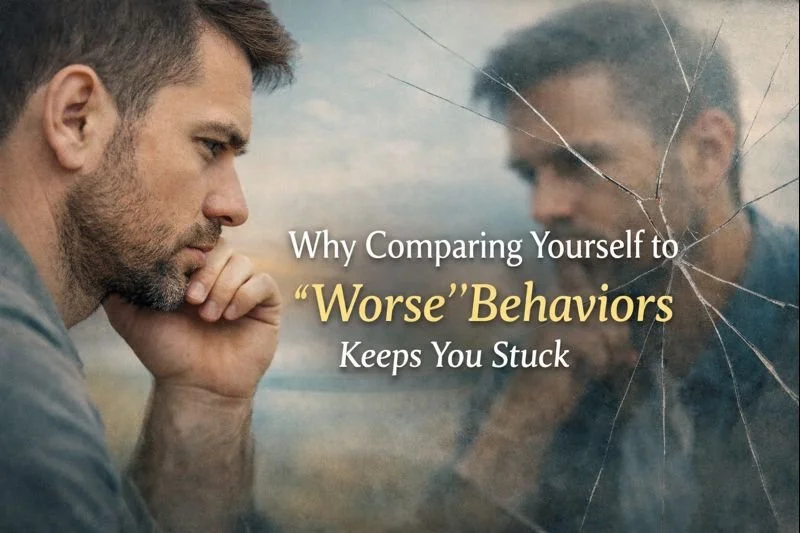
Why Comparing Yourself to “Worse” Behaviors Keeps You Stuck
Many people stay stuck by telling themselves, “At least I’m not as bad as…”—but comparison often becomes a quiet form of denial. Drawing from Patrick Carnes’ work, this article explores how minimizing behaviors fuels shame, secrecy, and stalled growth. True healing begins when we stop comparing and start getting honest. Freedom isn’t found in being “less broken,” but in choosing restoration.
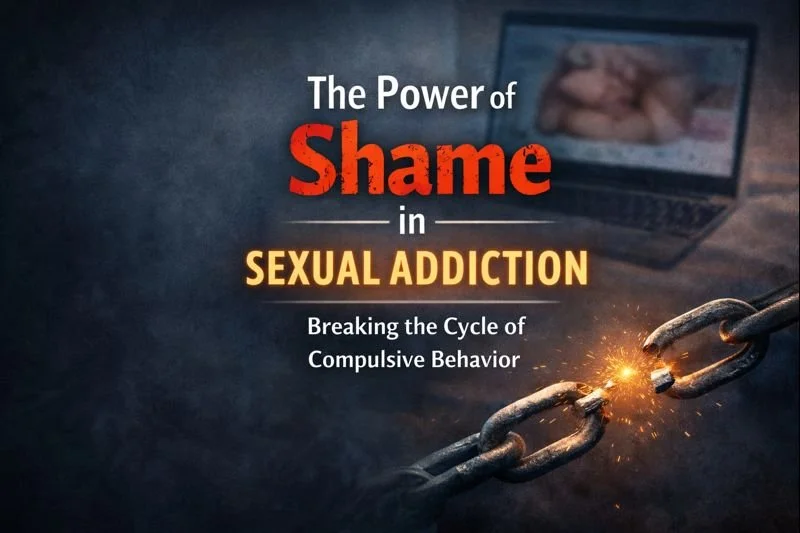
how to Break free from shame
Shame is a powerful force that keeps many individuals trapped in compulsive sexual behaviors. It doesn’t just follow acting out — it fuels the cycle, increasing isolation, self-blame, and emotional distress. Understanding how shame drives sexual addiction is key to healing.